

Piercing Jewellery: Safe Choices and Proper Care
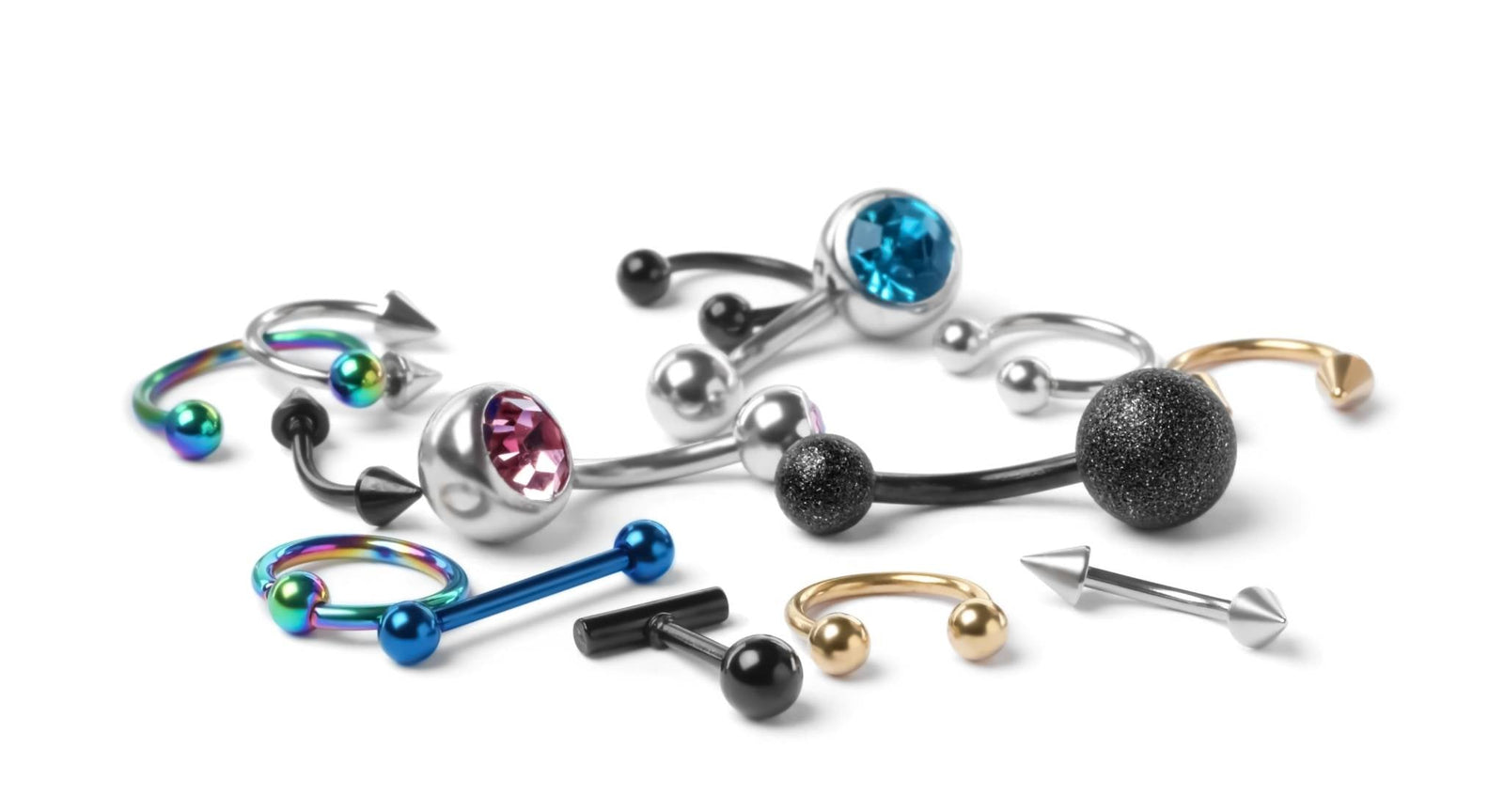
What are the best jewelry options for your piercing? In this blog, you'll discover everything about safe materials, popular styles, and proper aftercare. This way, you ensure your piercing not only looks good but also stays healthy.
Why are piercing jewelry so popular?
Piercings are no longer just for rebels or trendsetters. Nowadays, you see them everywhere: from minimalist studs in the ear to striking statement pieces in the nose, lip, or navel. A piercing is a way to show your personality, wear a memory, or simply add something beautiful to your appearance. And the best part is: there's a suitable style for everyone.
Did you know that nose piercings have been worn in India for centuries as a symbol of femininity? And that the septum piercing in indigenous cultures was often seen as a sign of courage or connection to nature? Piercings have a rich history full of meaning worldwide.
What types of piercing jewelry are there?
The choice is endless. Here are a few popular styles:
- Barbells: Straight bars with balls at both ends. Ideal for tongue, nipple, or eyebrow piercings.
- Hoops: Round rings, perfect for ears, nose, or lip.
- Labrets: Bars with a flat back and a gem or ball at the front. Often used for lip and ear piercings.
- Segment rings: Rings with a subtle opening, easy to open and close.
- Clickers: Rings with a click mechanism. Ideal for septum or daith.
Popular styles for piercing jewelry
- Minimalism: Small, elegant jewelry for a subtle look.
- Statement pieces: Large, eye-catching, and with color or glitter.
- Natural shapes: Designs with leaves, feathers, or organic lines.
- Symbolism: Think of zodiac signs, moon phases, or spiritual symbols.
Which piercing suits you?
The placement of your piercing determines which jewelry and material work best. Earlobes heal faster than cartilage, a nostril is more sensitive than a lip. Get good advice from a professional piercer and choose jewelry that suits your skin type, lifestyle, and personal style.
Best material for piercing jewelry
The material not only determines how your piercing looks but also how well and quickly it heals. Especially for new piercings, always choose a safe, skin-friendly material.
The best materials:
- Surgical steel: Strong, durable, nickel-free, and hypoallergenic. Suitable for most people.
- Titanium: Extra light, super strong, and completely hypoallergenic. Recommended for allergies.
- Gold (minimum 14 carat): Luxurious and timeless. Only choose nickel-free gold.
- Bioplast: Flexible and soft. Ideal for sensitive skin or cartilage piercings.
Materials you should avoid (especially for new piercings):
- Silver: Can oxidize and irritate.
- Brass: Often contains nickel – risk of allergy.
- Copper: Oxidizes quickly, chance of irritation.
- Natural materials: Such as wood, horn, or amber. Porous, holds bacteria.
Tip: Always choose a hypoallergenic, nickel-free material as long as your piercing is still healing.
Piercing care: tips and products
Good care is just as important as the right jewelry. This is how your piercing stays healthy and beautiful:
- Get pierced by a professional, hygienic studio.
- Always wash your hands before touching your piercing.
- Clean daily with a mild saline solution or special piercing spray.
- Wait to change jewelry until your piercing is fully healed.
- Avoid perfume, alcohol, or other irritating substances on the piercing site.
- Do not wear tight or fuzzy clothing over your piercing.
- Do you have complaints? Always contact your piercer.
Why is good aftercare so important?
A piercing is essentially a small wound. Without proper care, it can become inflamed, irritated, or even cause permanent scars. That's why we developed the TattooMed Piercing Aftercare Spray: specifically designed to help your piercing heal faster, reduce redness, and keep your skin healthy.
Piercings are more than just jewelry
For many people, a piercing is more than an accessory. It can symbolize strength, self-love, or a special memory. Whatever your reason: choose consciously, care well, and wear something that truly suits you.
Frequently asked questions about piercing jewelry
When can I change my piercing jewelry?
Wait until your piercing is fully healed. This varies by location. Earlobe piercings heal faster than cartilage or navel piercings. If in doubt, ask your piercer.
What if I have an allergic reaction to my jewelry?
Stop wearing it immediately. Choose a hypoallergenic material such as titanium or bioplast. Consult a professional if symptoms persist.
Can I swim with a new piercing?
Preferably not. Swimming pools and open water are full of bacteria. Wait until your piercing is fully healed to prevent infection.
How long does it take for a piercing to heal?
Healing time varies depending on the type of piercing. An earlobe often heals within 6 to 8 weeks, while a cartilage or navel piercing can take up to 6 months or longer.
What should I do if I have an infection?
Clean the piercing twice daily with a mild saline solution or a special aftercare spray. Avoid twisting or removing the jewelry. If redness, swelling, or pus persists, always consult a professional piercer or doctor.
Why is nickel-free so important?
Nickel is a common cause of allergic reactions. By choosing nickel-free materials like titanium or bioplast, you prevent itching, redness, swelling, or even scarring with a new piercing.
Want to be well prepared right away? Check out our Piercing Aftercare Spray – for fast, safe healing and a radiant piercing.
📅 This blog first appeared on June 26, 2017 and was last updated on July 21, 2025.